Top-rated dynamic movement intervention in Brooklyn
See all

New to dynamic movement intervention?
Learn more about dynamic movement intervention
Dynamic Movement Intervention (DMI) uses therapist-guided exercises that provoke a child’s automatic postural responses to build new motor skills.Understand what to expect at a first visit, and how to tell if it’s the right fit for your child.
Read the guide- Head & trunk control
- Sitting, crawling & standing
- Independent walking
- Balance & postural reactions
38 DMI therapists in Brooklyn



Intensive programs are exclusively available during the month of June.



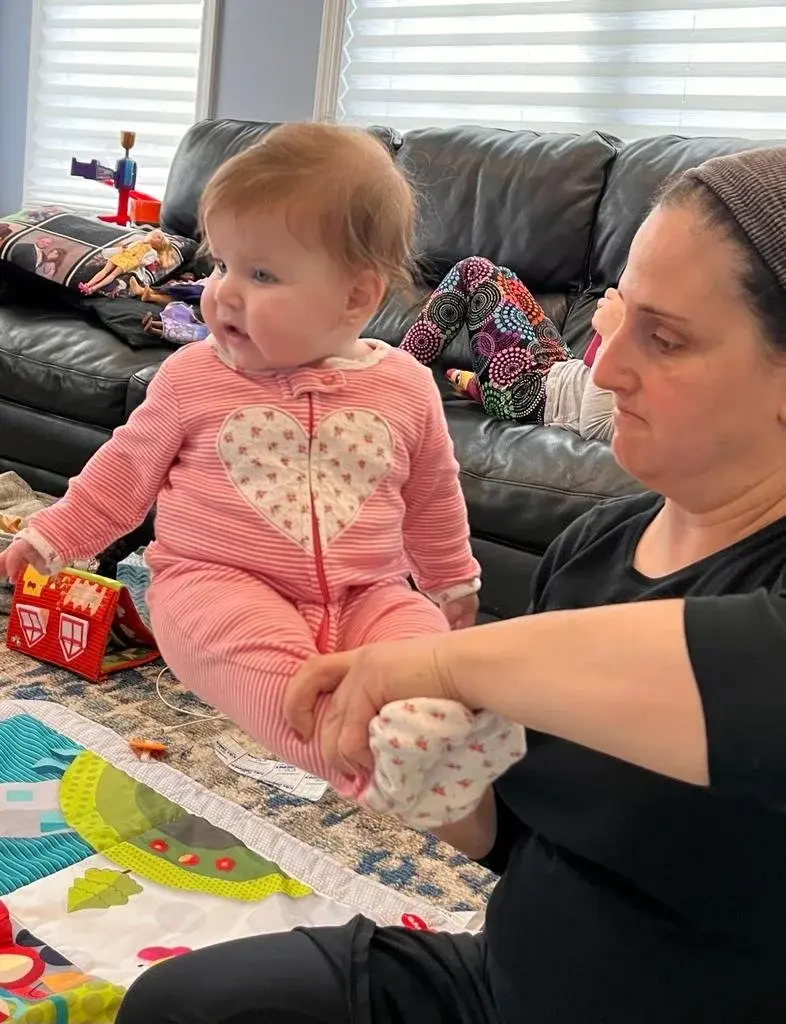
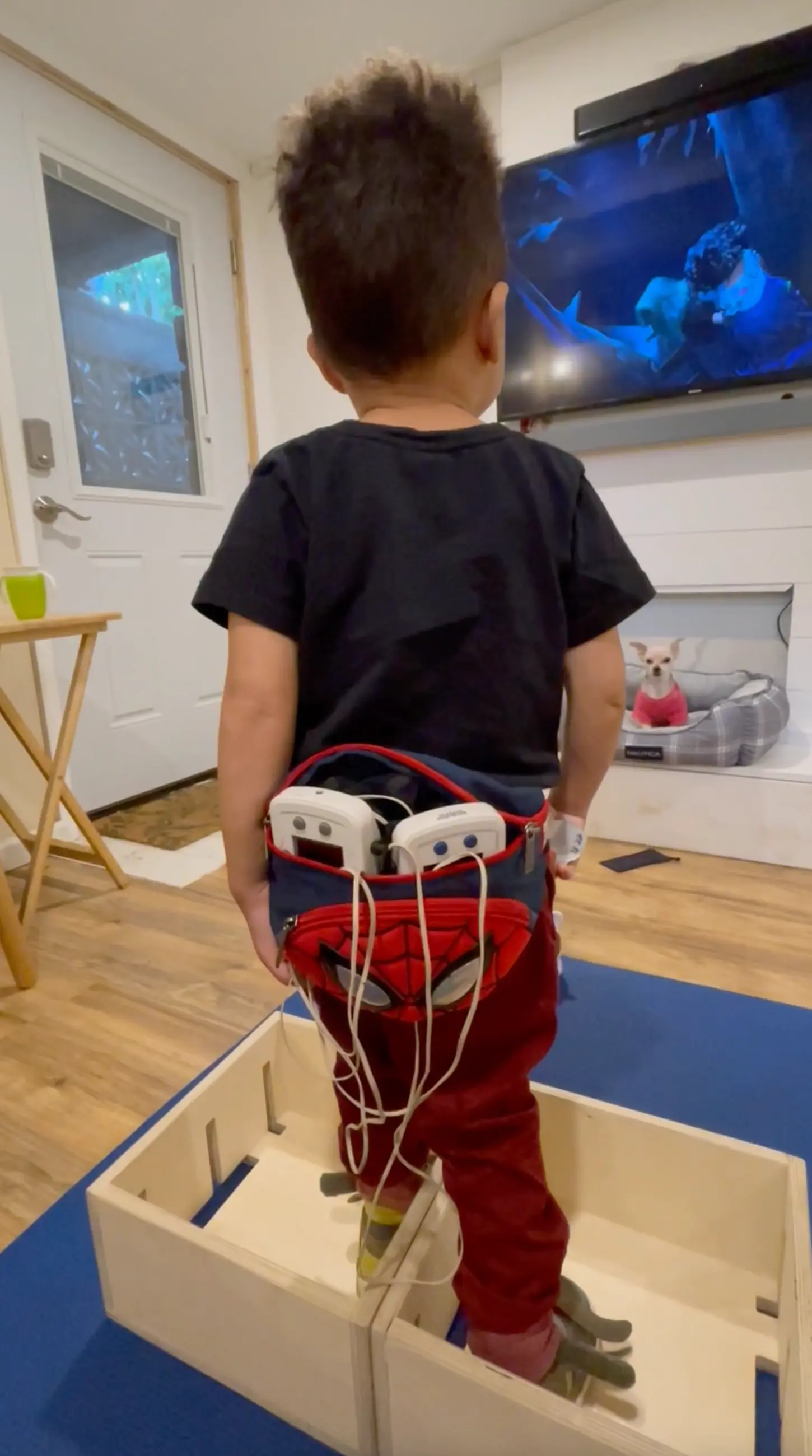
Shoshana Moskowitz, PT, runs Baby U Got This Pediatric Physical Therapy in New Jersey. She primarily uses DMI exercises in her sessions and will also use TMR TOTs techniques, e-stim, and kinesio taping or compression garments if needed. DMI is a therapeutic technique used in physical and occupational therapy to treat children with motor delay by improving automatic postural responses and promoting progress toward developmental milestones. She works with those diagnosed with cerebral palsy, developmental delay, prematurity, neurodevelopmental disorders, toe-walking, torticollis, genetic disorders, spina bifida and other musculoskeletal conditions.



About the care
What is DMI therapy?
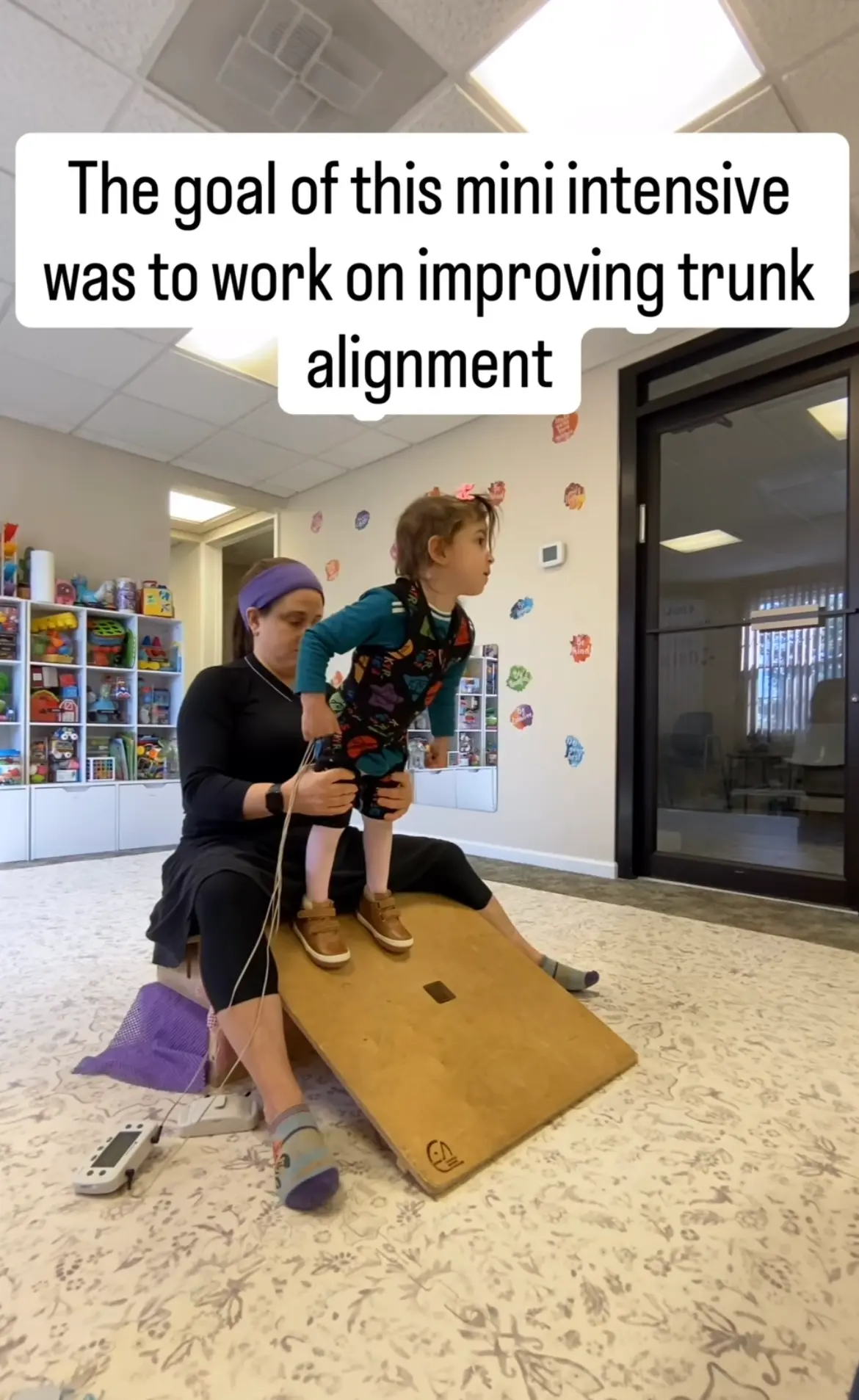
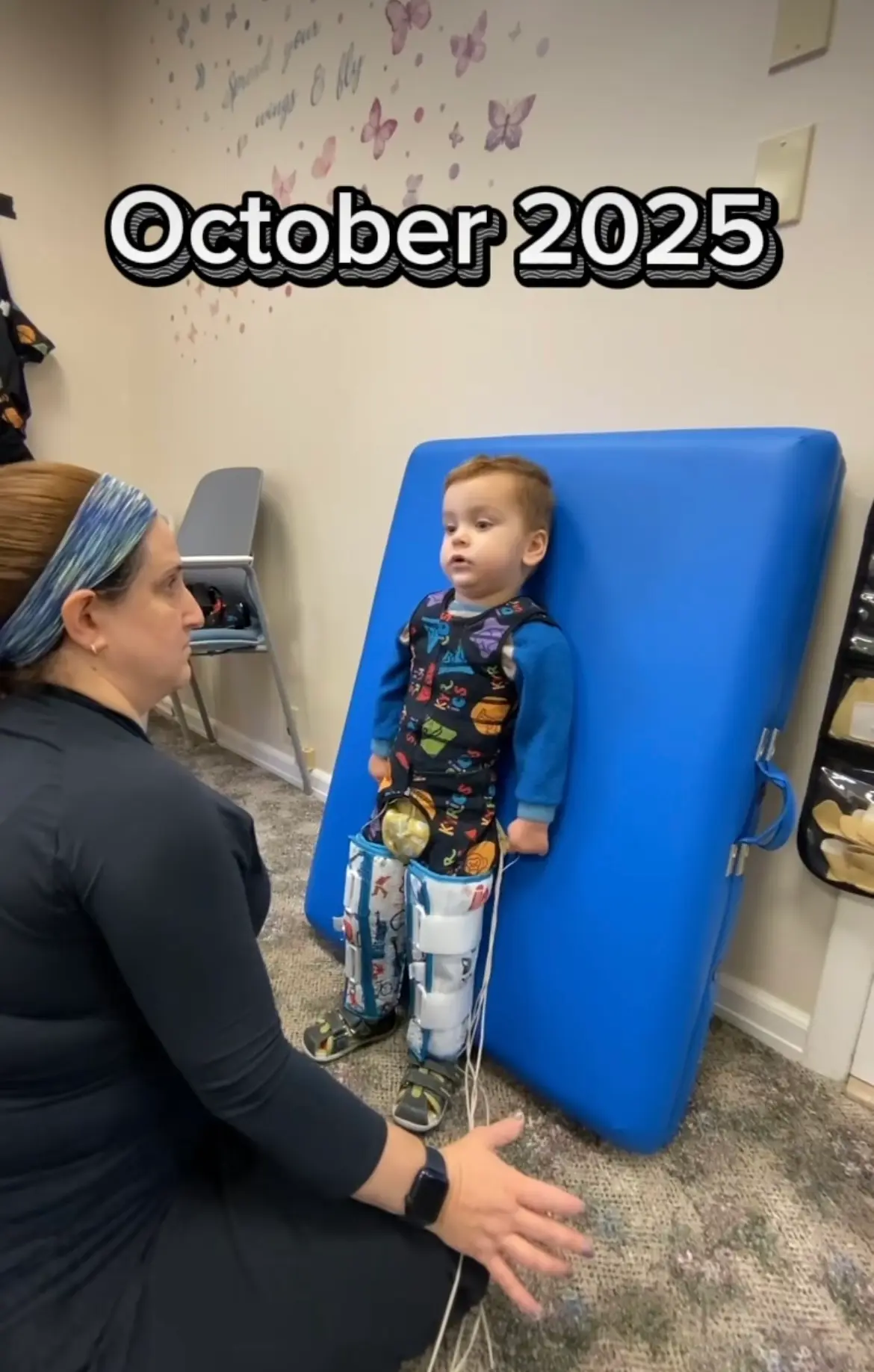
Dynamic Movement Intervention (DMI) uses therapist-guided exercises that provoke a child’s automatic postural responses to build new motor skills.
In a DMI session, a trained therapist guides the child through specific exercises that challenge balance and posture, prompting the brain to respond with more upright, more controlled movement. Exercises progress step by step as the child gains control, and many families pair DMI with an intensive schedule for extra momentum.
Families typically look for DMI when a child has a motor delay or a neurological diagnosis such as cerebral palsy, Down syndrome, or hypotonia, and they want a focused push toward milestones like head control, sitting, standing, or walking.
What DMI helps with
- Head & trunk control
- Sitting, crawling & standing
- Independent walking
- Balance & postural reactions
- Motor planning
- Progress between intensives
DMI Therapists by place